
Acne is a skin condition that an increasing number of adults are facing. This relatively common skin problem can have consequences—even in its mildest forms—not only for the skin, but also for daily life, particularly for self-confidence. In this article, we explore the causes and symptoms of adult acne, as well as the main methods of treatment and proper skin care.
Contents
-
Causes of adult acne
-
Symptoms of adult acne
-
Methods for managing adult acne
Causes of Adult Acne
Hormonal fluctuations are a major cause of acne during adolescence. In adults, however, acne is not caused by hormones alone. Understanding the multiple factors that contribute to adult acne is essential for establishing an effective treatment approach.
The main causes of adult acne include:
-
overstimulation of the sebaceous glands by androgen hormones, leading to seborrhea (increased sebum production);
-
clogging of hair follicles with sebum and dead skin cells;
-
excessive proliferation of the bacterium Cutibacterium acnes (formerly Propionibacterium acnes) in an environment rich in sebum, causing skin inflammation.
Adult acne can also be influenced by additional factors such as:
-
hormonal fluctuations, especially those related to the menstrual cycle, pregnancy, menopause, or hormonal imbalances; chronic stress may also worsen acne by stimulating stress hormone production;
-
genetic predisposition, which may persist into adulthood, especially when proper skin and body care routines are lacking;
-
improper or insufficient skin care, including the use of harsh cleansers or overly rich creams that clog pores;
-
diet, particularly foods high in carbohydrates and dairy products, which may sustain inflammation in some individuals;
-
medications, such as corticosteroids, vitamin B12, or certain contraceptives;
-
environmental pollutants, which may contribute to the onset or worsening of acne.
Adult acne can differ depending on sex. In women, it typically appears on the lower face and neck and is more often inflammatory, while in men it commonly affects the forehead and back.

Symptoms of Adult Acne
Adult acne symptoms vary depending on the type and severity of the condition. The skin is usually oily and may present either non-inflammatory or inflammatory lesions.
Common symptoms include:
-
Pimples and papules, which appear as red or pink bumps on the skin; pustules are inflamed lesions filled with pus and may be painful;
-
Blackheads and whiteheads (comedones), non-inflammatory lesions caused by blocked sebaceous glands;
-
Cysts and nodules, deeper and more severe lesions that are often painful and may lead to permanent scarring if not treated properly.
It is important to note that certain inflammatory skin conditions, such as rosacea, may resemble acne. Only a dermatologist can provide an accurate diagnosis and recommend appropriate treatment.
Methods for Managing Adult Acne
Managing adult acne requires a comprehensive approach that may include lifestyle changes, proper skincare routines, and medical treatments recommended by a dermatologist.
Anti-acne Treatments
Treatment options for adult acne are similar to those used in adolescents but may require adjustments. Adult acne is often more resistant to treatment. Dermatologists may prescribe topical treatments containing retinoids or benzoyl peroxide to reduce inflammation, control bacteria, and stimulate skin renewal.
Oral antibiotics are generally less effective in adults, and hormonal therapy—such as tailored contraceptives or anti-androgen medications—is often preferred. Dermatological procedures, including laser therapy and chemical peels, may also be used for severe acne and scar reduction.
Dietary supplements formulated to support skin health at the cellular level and reduce inflammation may serve as an alternative or complementary approach, provided they are used under professional guidance.
Caring for Acne-Prone Skin
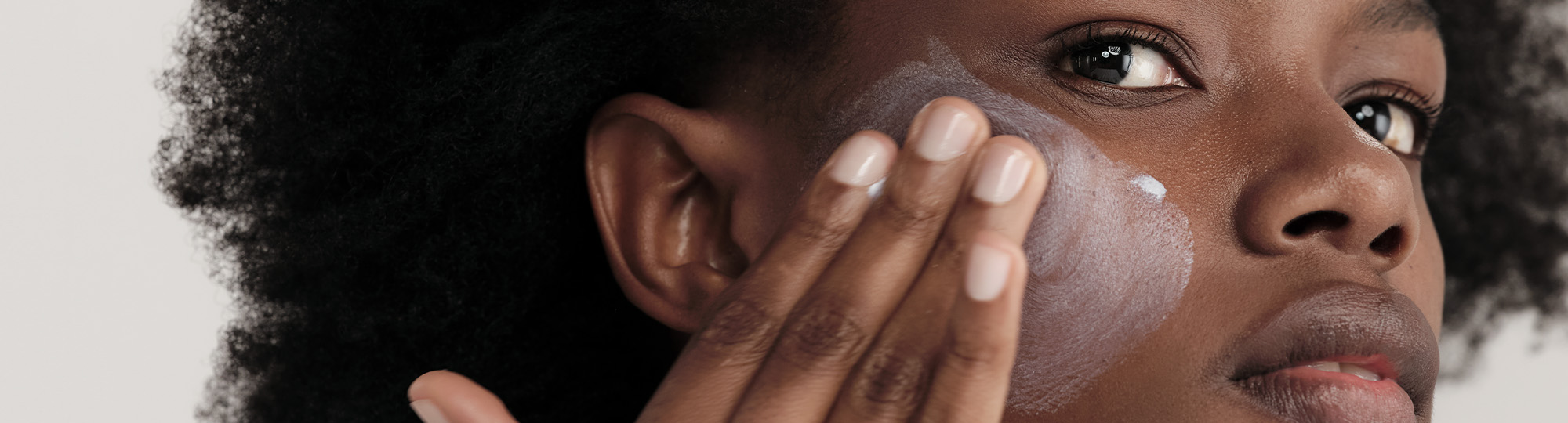
Selecting skincare products suited to your skin type is essential. Products should be gentle, moisturizing, non-comedogenic, and capable of regulating sebum production without worsening acne. A consistent skincare routine supports faster recovery and reduces the risk of scarring.
Recommended steps include:
-
gentle cleansing in the morning and evening using non-irritating products that remove excess sebum and impurities;
-
use of targeted serums containing salicylic acid, niacinamide, or retinol;
-
application of lightweight, non-comedogenic moisturizing creams, as acne-prone skin still requires hydration;
-
use of seboregulating treatments for oily, acne-prone skin when needed;
-
inclusion of mattifying products to control shine;
-
daily use of sunscreen, as some acne treatments increase sun sensitivity;
-
use of soothing products such as thermal water sprays to reduce redness and discomfort.
It is also important to choose non-comedogenic makeup products, as unsuitable cosmetics can worsen acne lesions.
Lifestyle Changes
Healthy lifestyle habits, such as stress reduction, balanced nutrition, and adequate sleep, play an important role in maintaining healthy skin.
Balanced Nutrition
A varied diet rich in fruits, vegetables, healthy fats, and proteins supports skin health from within. Certain supplements containing zinc, vitamin A, or vitamin E may be beneficial, but consultation with a specialist is recommended before use.
Avoiding Harmful Habits
Smoking and excessive alcohol consumption negatively affect skin health. Smoking reduces blood circulation, while alcohol dehydrates the skin and may worsen acne. Touching, squeezing, or picking acne lesions should also be avoided to prevent inflammation and scarring.
Stress Management
Stress is a significant trigger for adult acne. Relaxation techniques such as meditation, yoga, and regular physical activity help reduce stress levels and support overall skin health.
Regular Dermatology Consultations
Ongoing dermatological follow-ups are important to adjust treatment plans based on skin response and condition severity.
Adult acne can be effectively managed only through a comprehensive and individualized approach. Proper medical guidance, consistent skincare, and healthy lifestyle choices are key to achieving and maintaining clear, healthy skin.